




What is the difference between CNC Turning vs Milling?
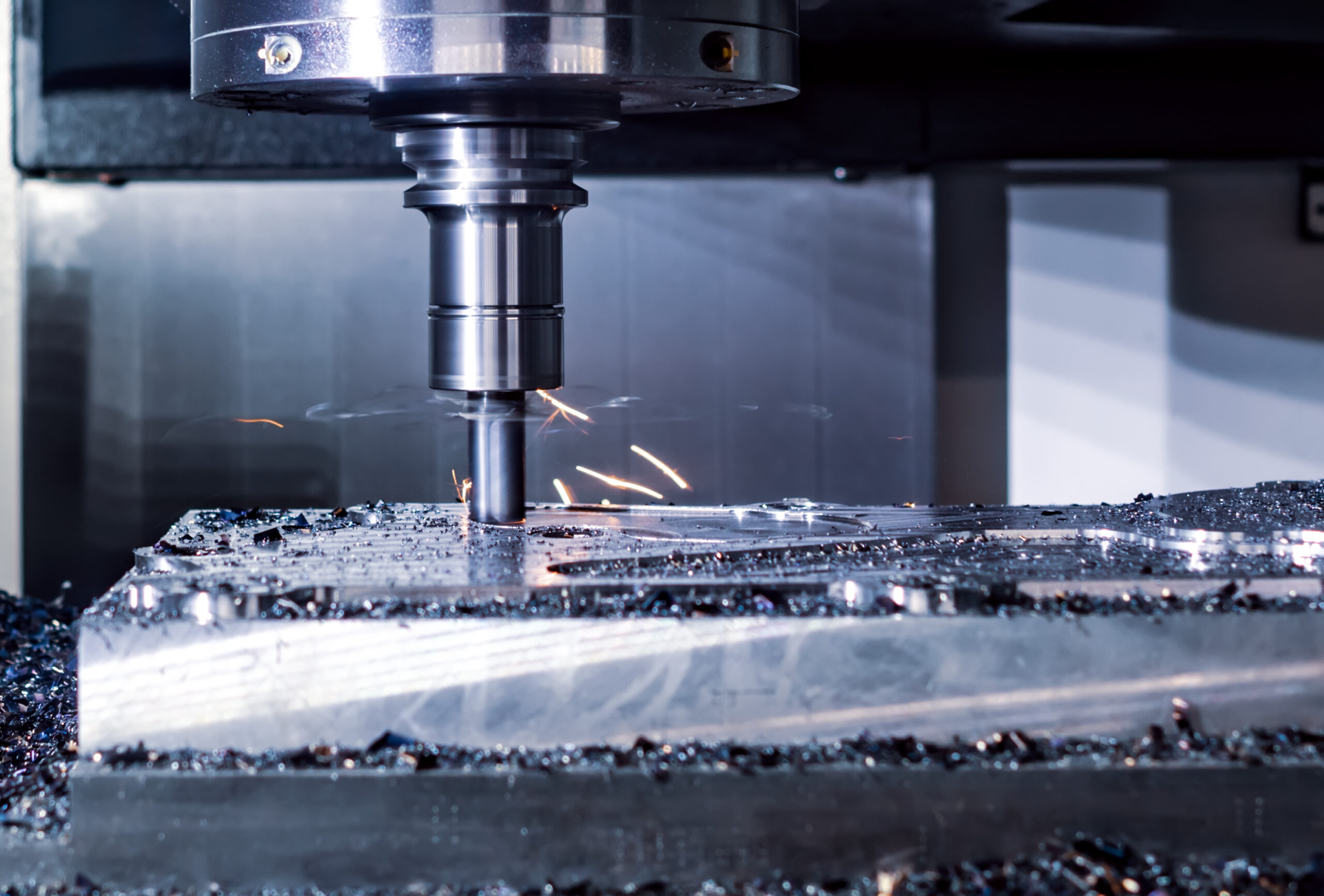
Turning operations are performed by rotating the workpiece and using a stationary cutting tool, and milling operations are performed by rotating the cutting tool and leaving the workpiece locked in place.
CNC Turning
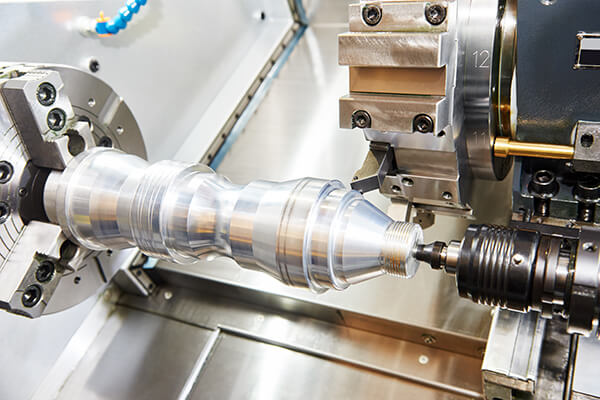
When it comes to creating parts that have symmetrical and cylindrical features, a turning process is often used. The material (typically bar stock) is held in a chuck and rotated at high speeds while a single point cutting tool is positioned against the rotating work piece to remove material.
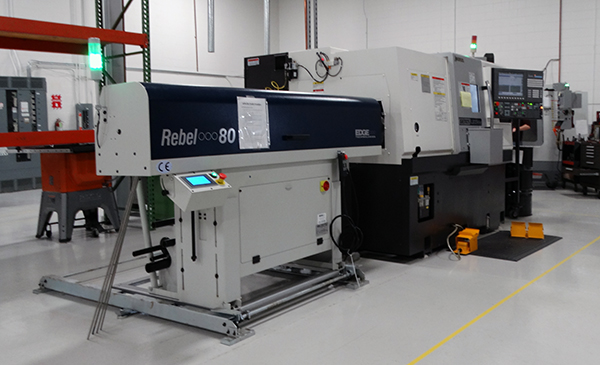
Turning operations on a CNC lathe can be very effecient for high volume runs. The addition of a bar feeder can help automate the process and minimize manual activity by the machinist.
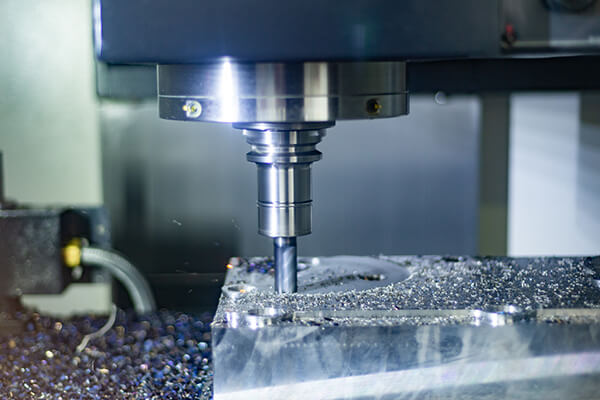
CNC Milling
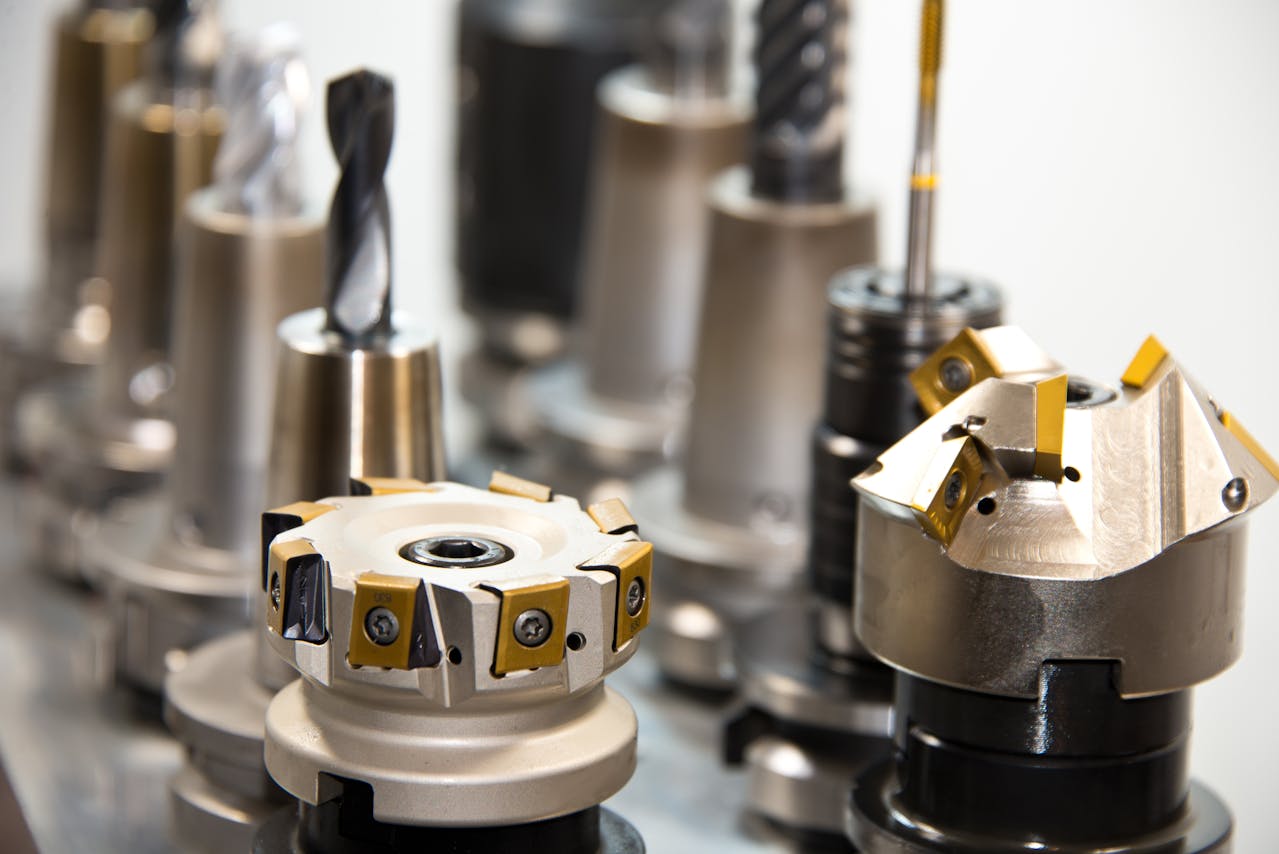
When a part does not have crucial cylindrical features, a milling operation will most likely be used. The work piece is held stationary while a rotating cutter maneuvers around the piece removing material. On a 2 or 3 axis CNC milling machine the work piece will need to be manually rotated to machine the different faces. A 4 or 5 axis machine can rotate the work piece or spindle automatically to machine complex contours and shapes
At PartsBadger’s Wisconson facility, one of our Okuma Lathes is fully equipped with an Edge Technologies Rebel 80 bar feeder for maximum efficiency on high volume turning jobs.
We Are Your Online CNC Machine Shop
Parts Badger creates your exact designed product. We use Instant quoting and 24/7 manufacturing to get your products created and back to you very quickly. Additional machining services include but are not limited to:
Our knowledgeable team of experts will work closely with you to create high-quality components fabricated to your unique specifications, regardless of complexity.
