
Casting delivers high-accuracy parts without the limitations of traditional machining. Perfect for detailed designs, thin walls, and high-performance applications.
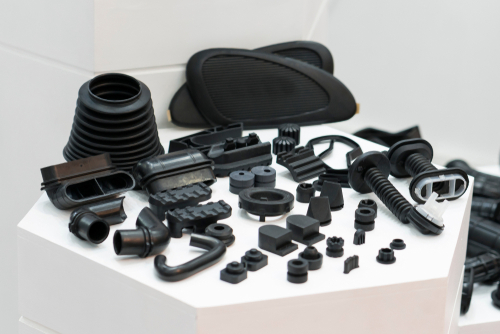
Urethane casting delivers high quality parts by using a 3D printed (or machined) single master part to create silicone molds. The molds are then filled with a prepolymer resin and cured by heat or radiation. The end product is a highly resilient plastic or rubber piece that can be suited for many applications.
As a general rule of thumb: 3D printing is best suited for low quantities (1-20), cast urethane for medium quantities (20-300) and injection molding for high quantities (300+). Cast urethane is one of the most versatile processes to fabricate plastic and rubber parts and can be used in a variety of industries and applications.
Price per piece
Cast urethane parts can be more cost effective in price per part than 3D printing. When larger amounts of prototypes are needed, 3D printing may require multiple machines, each running and consuming energy for 20+ hours for 1 part. On the other hand, the urethane casting process can continuously mold parts with minimal energy consumption.
Tooling Cost
Silicone molds are created from the master part and used to cast the urethane pieces. The cost for creating the silicone mold is far less expensive than aluminum or steel tools used in injection molding and also far less than the cost of purchasing multiple 3D printers.
Lead Time
The lack of tooling and accessories needed for the cast urethane process translates to a much shorter lead time than injection molding. The lead time for an injection mold tool can range from 4-8 weeks, but silicone molds used in cast urethane can be ready in 1-2 weeks or shorter.
Urethane casting is conducive to many different types of polyurethane resins that can range from flexible like a rubberband, to rigid like a hard hat. The hardness of these resins are commonly measured using the Shore Hardness scale. Within the Shore Hardness scale there are 3 different levels of the Shore scale to measure hardness (or lack of).
Ranges from extra soft to medium hard.
Ranges from flexible rubbers to hard plastics.
Ranges from flexible rubbers to hard plastics.
Please note that for simplicity, PartsBadger offers 4 main resins for casting: soft rubber, hard rubber, flexible plastic and hard plastic. If you have a specific hardness that you need please let us know and we will accommodate it.
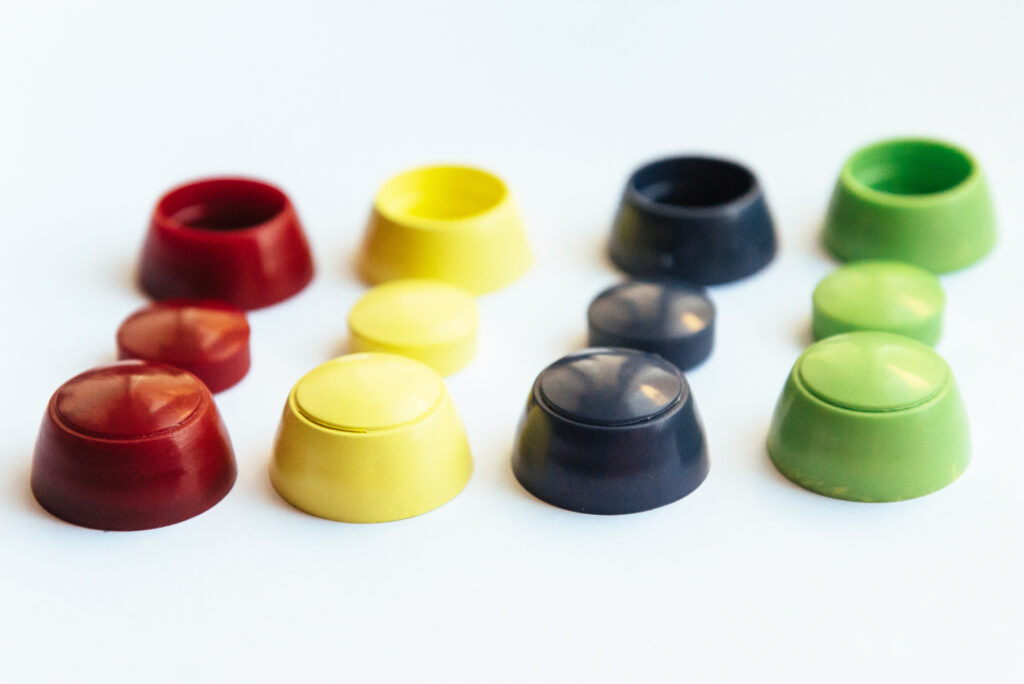
When compared to injection molded parts, cast urethane parts show very similar properties of strength and surface finish. Depending on the complexity of the part and the accuracy of the mold there may be a need for post casting work to be done (deburr, polishing, etc) If color is needed you can choose to cast in a specific color to the part or paint it.
Investment casting, also known as lost wax casting, is the process in which a wax pattern is created and then that pattern is coated in a ceramic slurry to create the hardened mold for final casting. The term investment spawns from the process in which the wax pattern is coated with the ceramic slurry. After the coating hardens, the mold is placed into a high temperature oven to melt the wax out of the mold. In some cases the mold could be pressurized and steamed to remove any remaining wax. At this point the mold is preheated to remove moisture and allow the molten material being cast to fill all voids before cooling.
After the cast has fully cooled and hardened, the ceramic casing is either vibrated, hammered or broken off with a water jet. Secondary process such as polishing, deburring and additional machining can be completed once the casing is removed.
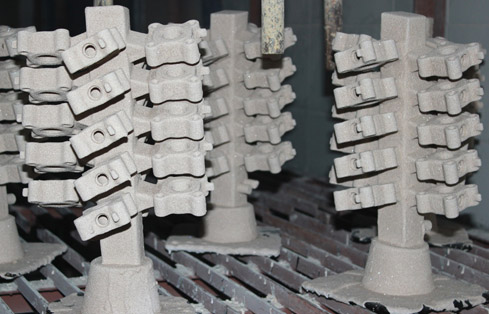
For small to medium size parts, a tree structure can be used to house multiple parts in the same casting mold. >>
Sand Casting is a versatile and cost-effective metal casting method ideal for producing medium to large parts with simple to moderately complex geometries. It offers broad material flexibility and competitive pricing, making it a strong option for prototypes or production parts that do not require the tight tolerances or fine detail of investment casting.
Cost-effective for larger parts and lower precision requirements
Excellent choice for aluminum, bronze, and steel components
Ideal for lower tooling cost and shorter initial lead times
Parts can be produced at small or large scale
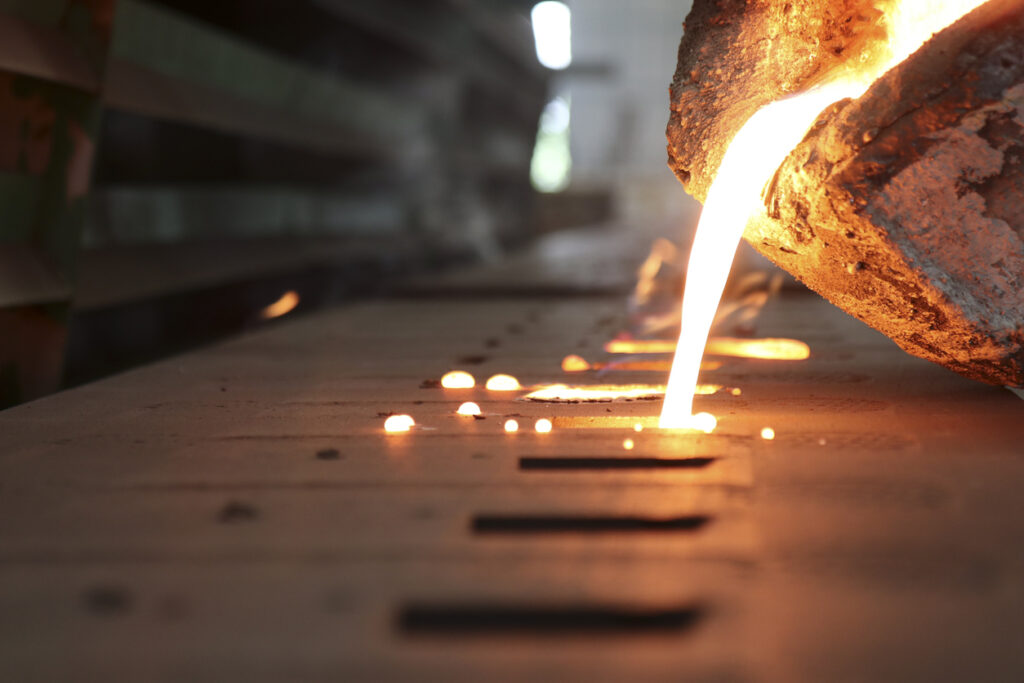
PartsBadger offers a wide range of metal alloys suitable for both investment casting and sand casting. Depending on your design, tolerances, and part size, our team will recommend the best casting method for your application.
Investment Casting is ideal for small, high-precision metal components requiring excellent surface finish.
Sand Casting is best for larger or less complex parts where cost efficiency and versatility matter most.
Our online portal can provide instant quotes.
Whether you need one part or thousands.
High quality without inflated markups.
We’re here to help you manufacture your machined parts efficiently and timely. We understand the importance of getting your product(s) to market before your competitors do. We’re ready to accelerate your innovation.