
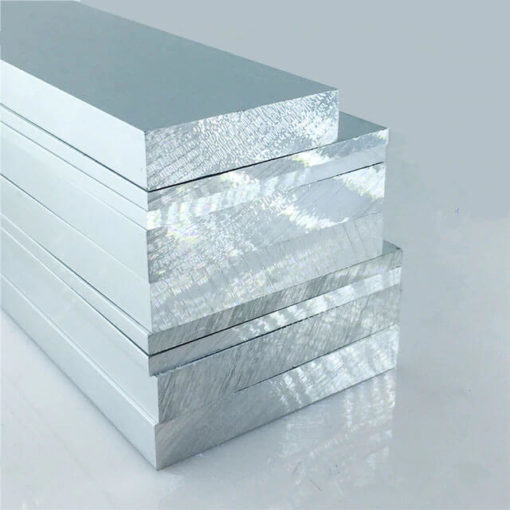


Aluminum alloys offer a wide range of properties such as flexible, weldable, high strength, corrosion resistance and light weight.  Due to it’s low cost and formability, aluminum is often the first choice for prototyping and can be used in nearly any industry for a variety of applications. Depending on which elements are added to the aluminum, the resulting alloy can have many different strengths and weaknesses.

When considering which alloy to use for machining processes we need to understand how the added elements affect the alloys machinabilityMachinability is a loose term but general stands for the ease of which the alloy can be machined.


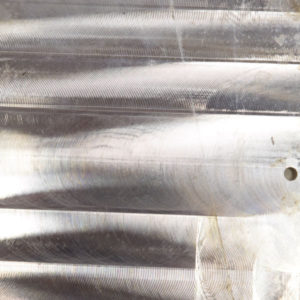
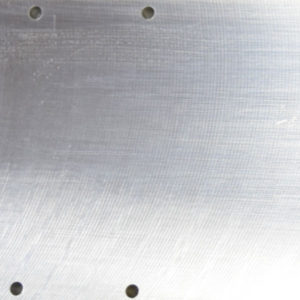
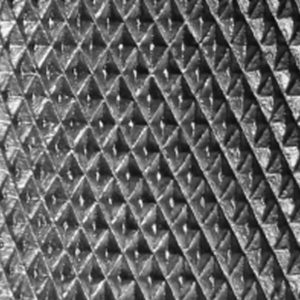
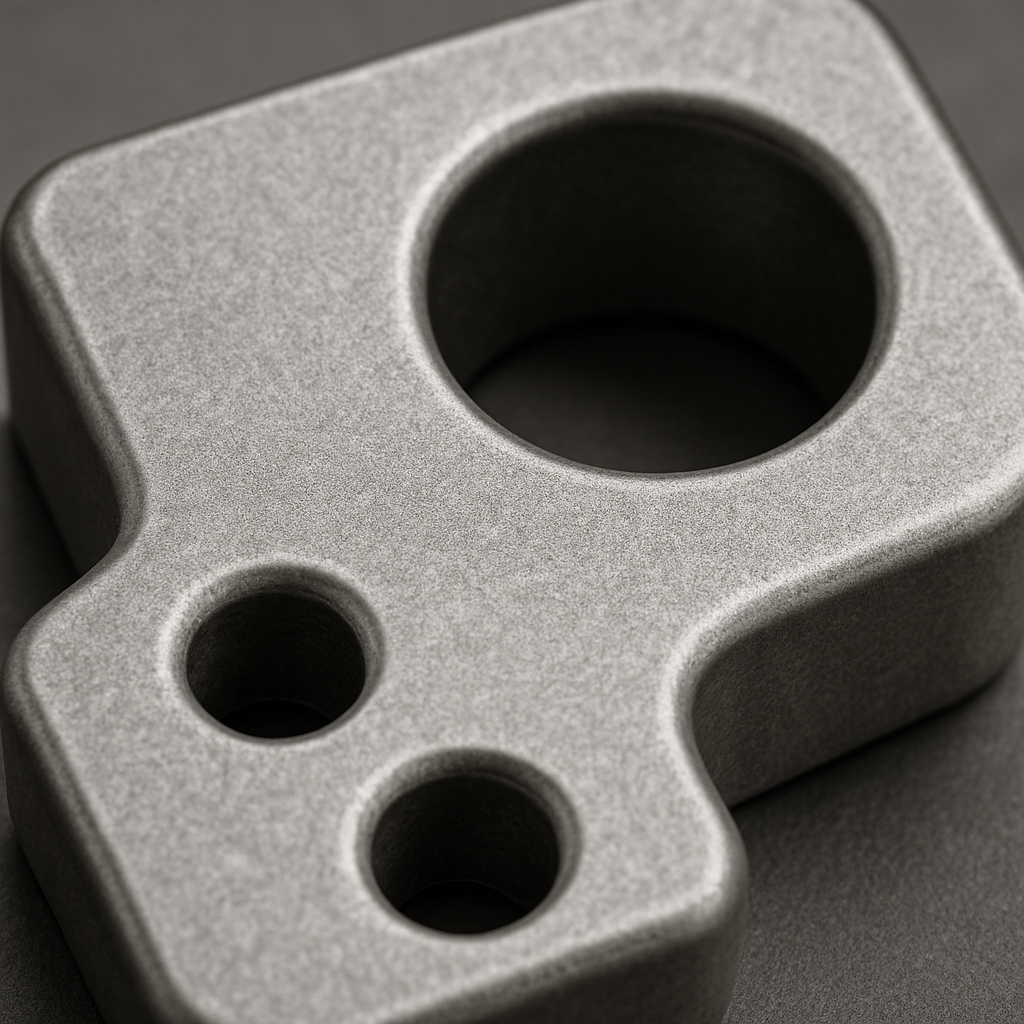
Aluminum surface finishes for CNC machined parts:

Deburr/Mill

Rough Polish

Bead Blast

Knurling

Brushing

Tumbling

Learn more about the properties of Aluminum and its Alloys

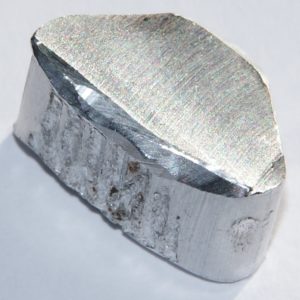
Aluminum (AI) is a soft silvery-white and nonmagnetic element that is the top choice for many industries.

In order to enhance or add certain properties, Aluminum is commonly combined with other elements to form Aluminum alloys. Within these alloys, Aluminum is the predominant Material. To be considered an Aluminum alloy, the additional elements added must not exceed a total of 15% of the overall composition. Depending on which elements are added to the aluminum, the resulting alloy can have many different strengths and weaknesses. 

Earth is made up of 1.59% Aluminum by mass. The majority of which is in the Earth’s crust.

How certain elements affect the machinability of aluminum alloys:

Adds lubricity and aids in chip-breaking. Can improve general machinability, but in higher quantities can negatively affect the alloy’s ability to be welded.

Adds a 0.3% decrease in friction between the chip and cutting tool, tightening the curl of the chip. Also increases strength and the alloy’s ability to be hardened.
 
Provides substantial increases in strength and ability to be hardened. Can cause the alloy to be vulnerable to cracking and reduces weldability. 
 
Increases abrasion and friction on cutting tool and decreases general machinability. Can also lower melting temperature and increase fluidity, which is preferred for casting applications.
 
Adds lubricity and aids in chip-breaking. Can improve general machinability, but in higher quantities can negatively affect the alloys weldability
Provides substantial increases in strength and ability to be hardened. Can cause the alloy to be vulnerable to cracking and reduce the weldability

Defining the different series of Aluminum Alloys:

1000 Series– Contain a minimum of 99% Aluminum and can be work hardened to increase strength. Often used in chemical containment, food packaging and electrical applications.

2000 Series– Alloyed primarily with Copper and can be hardened to strengths similar to steel. Often used in aerospace applications.

3000 Series– Alloyed primarily with Manganese and can be hardened and heat treated. Often used in beverage cans, cookware and industrial high heat applications.

4000 Series- Alloyed primarily with Silicon. Often used in applications where a lower melting point in the alloy is needed, such as casting and welding. If Magnesium is added to a 4000 series alloy it can be heat treated and transformed into a 6000 series alloy.

5000 Series– Alloyed primarily with Magnesium and offers high corrosion resistance. Often used in marine applications. 5083 alloy is common and has the highest strength of non heat treated alloys.

6000 Series- Alloyed primarily with a combination of Magnesium and Silicon and can be one of the most versatile of the Aluminum Alloys. It is considered an all-purpose aluminum due to its high machinability and strength. 6061 alloy is the most common of all Aluminum alloys and is used in many applications.

7000 Series– Alloyed primarily with Zinc and can be hardened to the highest strength of any Aluminum alloy. Often used in aerospace applications.

Aerospace

Lightweight, high-strength components built to exacting standards

Automotive & EV

Prototypes, aftermarket parts, and production runs for performance and safety

Oil & Gas

Corrosion-resistant components for demanding environments

Medical Devices

FDA-compliant precision parts for medical equipment and instruments

Manufacturing

Custom solutions to optimize production lines

Consumer Goods

High-quality components for durable, market-ready products

Material Handling

Parts built for strength, efficiency, and long service life

Rail

Heavy-duty, safety-critical components for rail systems

Injection Molding

Molds, inserts, and precision tooling

Food & Beverage

Sanitary, food-safe components for processing and packaging

…and many more

Common Industry Uses

Aerospace / Aircraft

With properties including high strength, light weight, and efficient heat transfer, the following alloys are commonly used in aerospace and aircraft applications.

  • 1420
  • 2004
  • 2014
  • 2017
  • 2020
  • 2024
  • 2080
  • 2090
  • 2091
  • 2095
  • 2219
  • 2324
  • 2519
  • 2524
  • 4047
  • 6013
  • 6061
  • 6063
  • 6113
  • 6951
  • 7010
  • 7049
  • 7050
  • 7055
  • 7068
  • 7075
  • 7079
  • 7093
  • 7150
  • 7178
  • 7475

Marine / Offshore

Non heat treated alloys (5000 series) are preferred in marine applications due to their high corrosion resistance. Magnesium adds both strength and corrosion resistance as well as increasing the ability to be welded. In high humidity, underwater and salt water environments, the following alloys are popular:

  • 5052, 5059, 5083, 5086
  • 6061, 6063

Automotive / Cycling

Due to their light weight and strength, the following allows are preferred for cycling frames and parts.

  • 2014
  • 6061, 6063
  • 7005, 7075

For automotive manufacturing, aluminum alloys are the first choice for external body parts and other components.

  • 2008, 2036, 5083, 5456, 5754, 6016, 6111 are common alloys for body panels.
  • 5182, 5754, 6061, 6063 are common alloys for automobile frames