




What is the Difference Between Drilling and Tapping?
Understanding the difference between drilling and tapping is important in manufacturing because both processes use specialized cutting tools to remove metal from an object. Drilling creates a smooth hole in the material, while tapping creates threaded holes that allow screws or fasteners to fit securely into the surface. However, while they may seem similar at first glance, drilling and tapping actually serve very different purposes, as well as requiring very different types of tools and processes in order to be done successfully. Let’s take a look at how these two processes differ, what they’re used for, and why one might be more suitable than the other in certain circumstances.
What are Drilling and Tapping
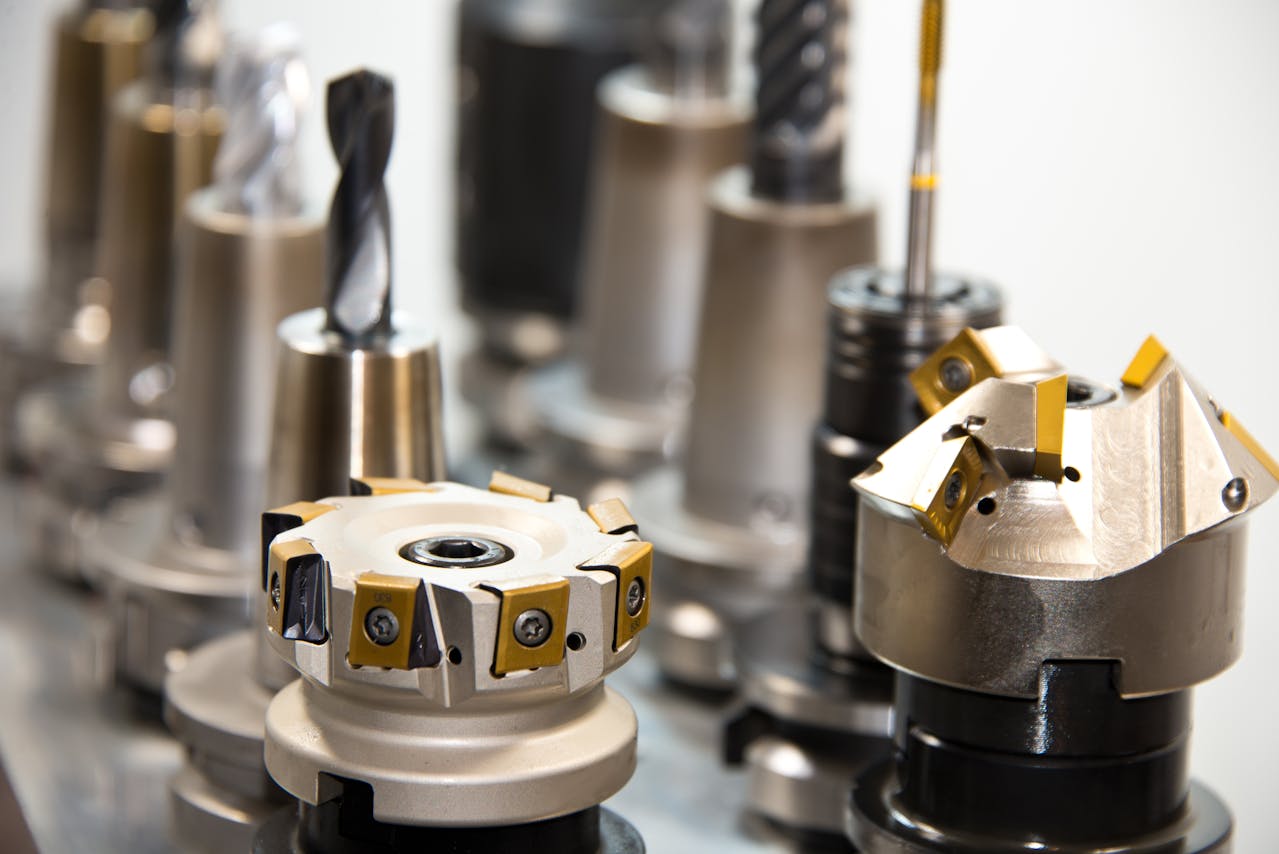
The difference between drilling and tapping comes down to the function of each machining process. Both are commonly used to create holes in metal parts, but drilling is designed to produce a smooth opening using a rotating drill bit, while tapping creates internal threads inside that hole so screws or bolts can fit securely. Although the processes are closely related, understanding the difference between drilling and tapping is essential for precision manufacturing and assembly applications.
They are often used in combination with each other when working with metals. For example, if you want to create a screw hole which extends deeper than 1 thread then you will use a tap drill.
How do they relate to each other
Both drilling and tapping are common methods used to create internal holes in metal, plastics, wood, and other materials. Understanding the difference between drilling and tapping is important because each process serves a different purpose in manufacturing and assembly.
The main difference lies in how the hole is created and prepared for fasteners. When tapping a hole, you use a tap tool—commonly with a 1/4 or 3/8 thread—to cut internal threads into the material. When drilling a hole, you create a smooth opening by forcing a drill bit through the material.
A tap follows a predefined thread pattern, while a drill bit cuts directly through the material without threads. Both processes require the correct tap or drill bit to prevent material damage and ensure precise results.
While there are many ways to create internal holes, drilling and tapping remain two of the most widely used machining methods, especially for smaller and precision-sized holes.
Advantages of Drilling/Tap over Using Threaded Components
Drilling a hole allows you to be extremely precise with what goes into it. And by using tap drill, you can eliminate cross-threading when attempting to put something in a thread.
A tap drill has a higher tolerance for error than does tapping, which means that you don’t have to be as careful. Because of that, a tap drill can go faster than tapping.
With a tap drill, you don’t need to use lubricant. Lubricant can get into your threads, sometimes making them useless in some applications. Tap drills can also be used for milling operations. Drilling alone cannot be used for such an operation.
Drilling vs. Tapping
When it comes to metalwork, there are a number of terms that can be very confusing. However, there are 2 terms that you should know about: tapping and drilling. Both have their uses.
The main difference between tapping and drilling is that tapping uses a smaller drill bit than when you are drilling. This leaves a gap on the underside of whatever you’re tapping. When you’re tapping, you want to drill all of the way through.
Both tapping and drilling can be used to join 2 pieces of metal together. But they are different ways of doing it! That’s why it’s good to understand them both!
Why Drill/Tap Might be Preferred
Understanding the difference between drilling and tapping can help manufacturers choose the best assembly method for a project. Convenience, simplicity, and durability all play a role when deciding whether to drill and tap a hole instead of using a press-fit or another fastening method. The decision often depends on factors such as part geometry, assembly location, and whether components will need to be separated during service.
For example, if screws are needed as mechanical fasteners while also providing electrical continuity through conductive metal and nonconductive plastic components, drilling and tapping may be the most effective solution. Knowing the difference between drilling and tapping also ensures the correct process is used for strength, precision, and long-term reliability.
In applications where electrical conductivity isn’t important, a nonconductive material such as plastic or glass may be used. Drill/tap applications are also found in mechanical fasteners, where things can get complicated.
About PartsBadger
From prototyping to manufacturing, let PartsBadger take care of your manufacturing needs. We’re here to help answer any questions you might have about our manufacturing techniques to get your custom parts made.
PartsBadger has state-of-the-art equipment like computer numerical control (CNC) mills, CNC lathes, laser cutters, water jet machines, die cast machines, sheet metal bending machines, 3D Printing, and more. This is the company that will give you the exact custom parts you need.
Contact us today for your quote or to find out more about our services.
