
Tight Tolerance Machining: Which CNC Features Need It and a Simple Test for Your Drawing
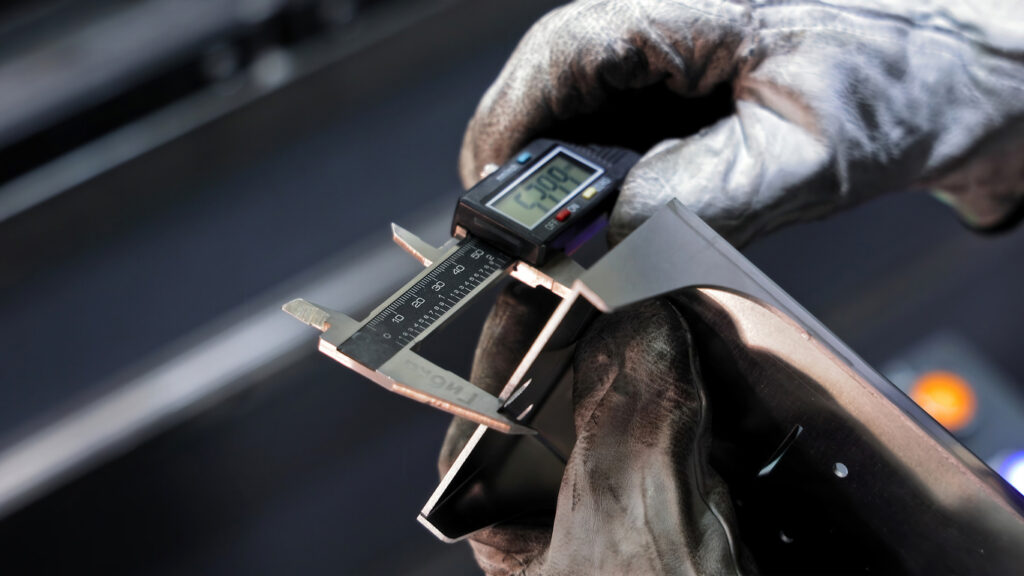
Tight tolerance machining means holding a dimension to an extremely precise specification, typically +-0.001″ or tighter, where even the smallest deviation affects how the part functions. It is not always the right answer, but most CNC drawings treat it that way. When every feature carries the same precision callout, the quote goes up, the lead […]
How Tolerance Specifications Drive Up CNC Machining Cost: 4 Critical Mistakes

If your last quote came back higher than expected, check the drawing before you shop for a new supplier. One of the most common CNC machining cost drivers is not material, complexity, or lead time, it is CNC tolerance specifications applied to features that do not need them. It is called over-tolerancing, and it is […]
Designing Complex Parts? Here’s When Swiss CNC Machining Is the Smarter Choice
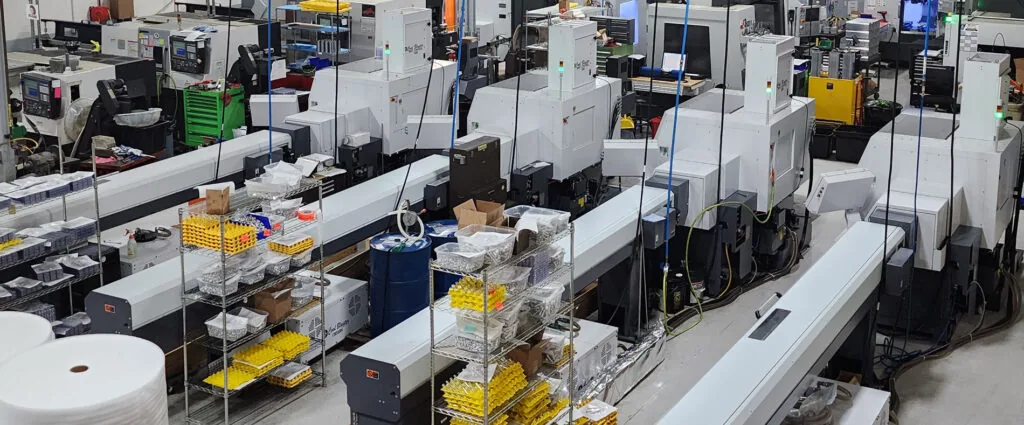
Swiss CNC machining offers exceptional precision and efficiency for manufacturing complex components, making it a strategic solution for engineers and sourcing managers seeking improved accuracy, lower production costs, and greater reliability compared to traditional CNC machining methods. If your design includes tight tolerances, intricate features, or long, slender geometries—especially for smaller parts (think the size […]
Avoid Costly Errors with Organized Drawings
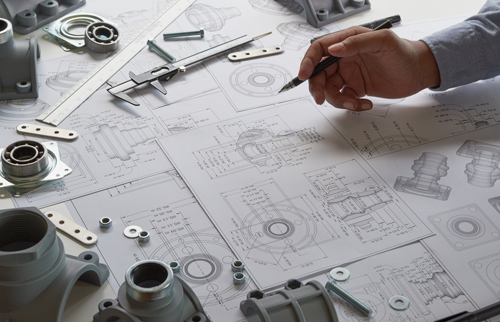
How do you organize your drawings? Avoid Costly Errors with Organized Drawings by improving clarity, accuracy, and communication in engineering and manufacturing. Well-structured 2D drawings help engineers efficiently interpret designs and accurately replicate them in real-world 3D applications. This is achieved by the use of different drawing views, callouts, and specific information entered into the […]
Best CAD Software to Prevent Design Errors
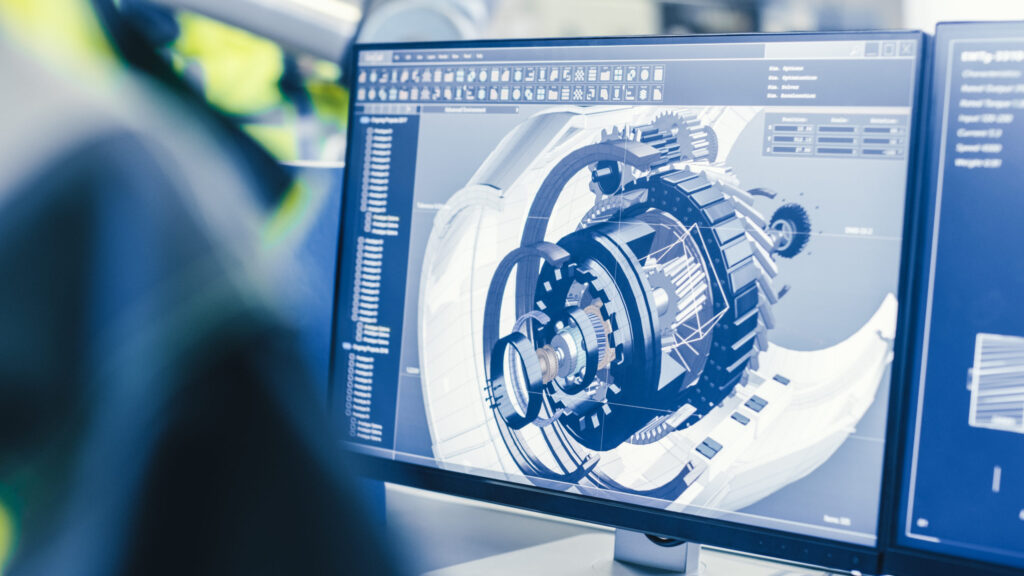
Engineers use CAD (Computer-aided design) to help design and visualize objects they want to build, such as computer chips, buildings, or cars. Here are the top 5 professional CAD Software that will convert your designs to real life.
What is CAD Software?

Engineers use CAD (Computer-aided design) to help design and visualize objects they want to build, such as computer chips, buildings, or cars. You can use CAD software in two different ways: By creating two-dimensional designs that show what an object will look like when it’s finished, or by creating three-dimensional models that people can manipulate so they can visualize how the object will work before building it.
Mastering Kerf Compensation: The Vital Secret to Victorious Manufacturing Results
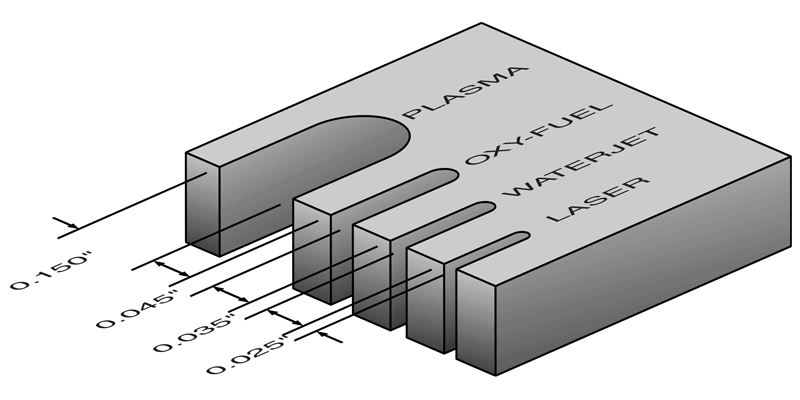
Kerf is the width of material that is removed by a cutting process, such as CNC milling or hand-cutting with a saw. The term was originally used to describe how much wood was removed by a saw. A saw’s teeth are bent to the side so that they remove more material than the width of […]
Design Engineer Tip: Adding Radii to Unleash Breathtaking Manufacturing Success
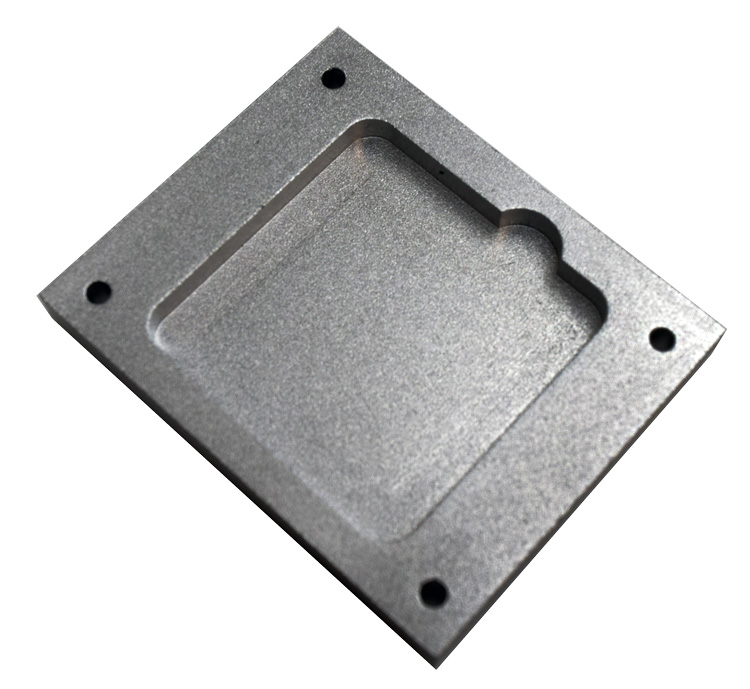
Design Engineer Tip: Adding Radii Does your part need to be machined to inscribe a shape within it? This process is called Profile Milling. For our example, we are looking at milling a square shape, with depth, within a cube see fig. 1 and fig. 2 examples below. Fig. 1: Rendering: Inscribed part with square […]