How Material Decisions Drive CNC Machining Cost: A DFM Guide for Buyers and Engineers
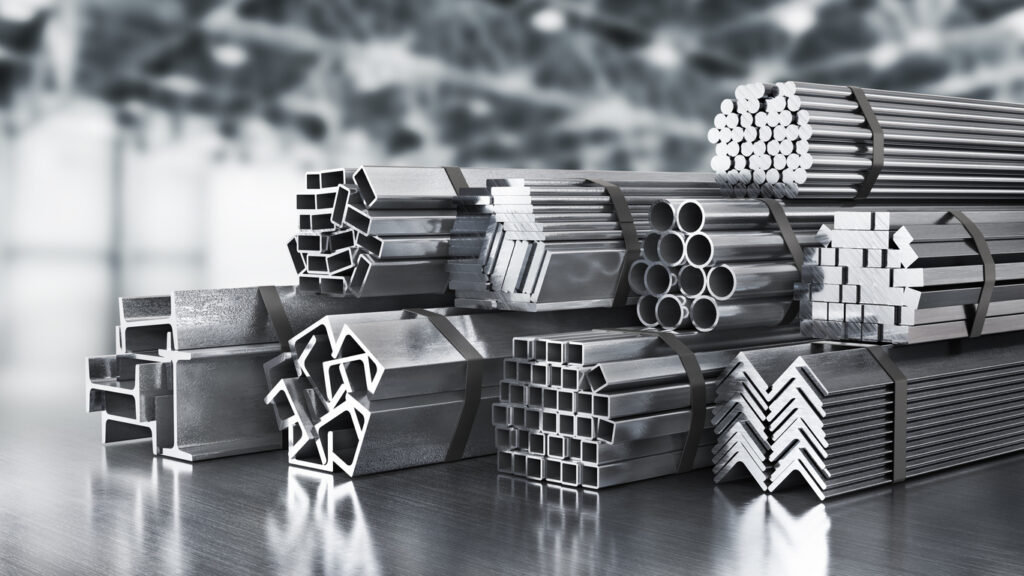
Material selection is one of the biggest drivers of CNC machining cost. Prices are up, lead times are stretching, and every quote you receive already reflects both. The decisions that change that outcome happen before the RFQ goes out.
What Material Price Increases Mean for Your Next CNC Quote
Tungsten carbide, the material inside virtually every high-performance cutting tool, has seen raw material prices surge by over 200% since early 2024. Carbide rod, the blank used to manufacture end mills, drills, and reamers, is up roughly 80% year-over-year. China controls more than 80% of global tungsten supply, and export restrictions tightened significantly in 2025. Supply is not recovering on a short timeline.
For buyers, this means two things:
- Tooling costs are already embedded in every quote you receive, shops pass them through.
- Materials your spec calls out may be harder to source or priced differently than your last order, even if nothing else has changed.
The latest ISM data confirms it: production material lead times holding at 81 days for the second consecutive month, prices increasing for 20 straight months, and tungsten listed as both up in price and in short supply. This is the sourcing environment your next projects are entering.
DFM Design for Manufacturability: How Material Selection Reduces CNC Machining Cost
DFM design for manufacturability goes beyond geometry. The material decision is equally consequential for CNC machining cost. The question is not just whether the material meets the spec; it is whether it is the most efficient material to machine, source, and finish.
A recent example: a customer specified 7075 aluminum for a part with no extreme loads or harsh conditions. Switching to 6061 fully met the performance requirements, reduced material cost by 15%, and improved lead time since 6061 is more widely available and carries no aerospace-grade premium the application did not require.
Three Actions to Lower CNC Machining Cost
- Switch to widely available equivalents. If your spec calls for a constrained or elevated-price material, ask whether an equivalent grade meets the same functional requirements. This is DFM applied to sourcing.
- Pre-order on locked specs. Ordering ahead on repeat orders locks in current pricing and removes sourcing risk as lead times stretch.
- Simplify features that drive material complexity. Some geometries require tolerances or finishes only achievable in certain materials. Reviewing those as part of your DFM process can open up material options without changing what the part needs to do.
How PartsBadger Approaches Material Decisions
We actively monitor material pricing and availability across our network, and that knowledge shapes every quote we produce. When you work with PartsBadger, you are working with a team that understands the market your order is entering.
Upload your file and get a quote fast, or schedule a call with our team.