
3D Printing Secrets That Improve Results

You might be wondering what 3D printing is. This printing style is the process of building 3D solid objects from a digital file. This is an additive manufacturing process that creates a physical object. The process works by laying down thin layers of material in the form of liquid or powdered plastic, metal, or cement, and then fusing the layers together. This ultimate printing guide will help you understand everything about the subject.
3 Essential Drilling and Tapping Benefits You Need
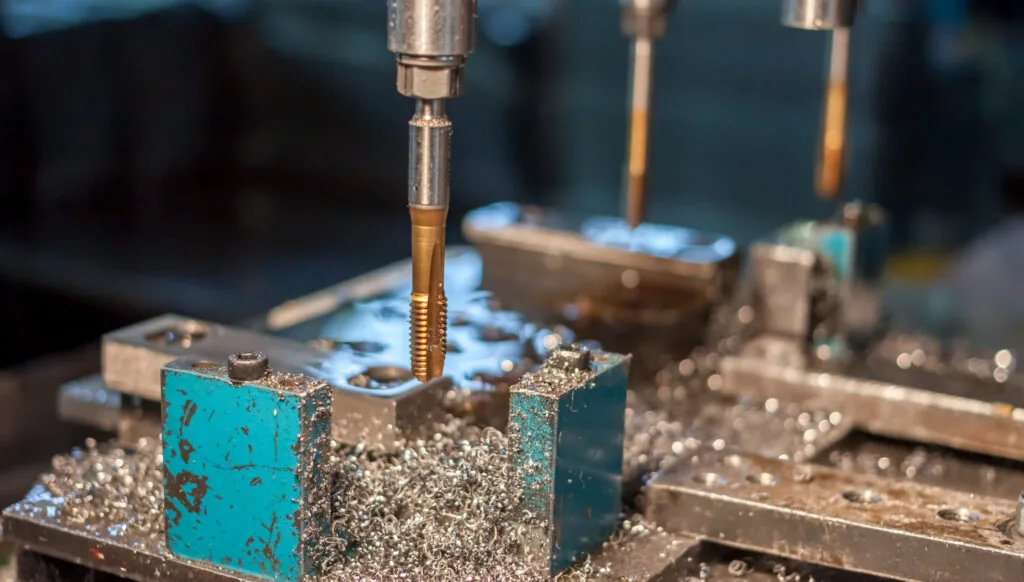
How Do Drilling and Tapping Benefit Your Supply Chain? There are many benefits of drilling and tapping for your supply chain. Discover Essential Drilling and Tapping Benefits You Need for improving manufacturing efficiency, creating precise holes and threads, reducing assembly issues, and supporting stronger, more reliable supply chain operations. How Drilling Reduces Inventory? Inventory is […]
4 Smart Reasons to Use Laser Cutting

Discover 4 smart Reasons to Use Laser Cutting, including precision, faster production, reduced material waste, and improved efficiency for modern manufacturing and supply chain operations. 1) 4 Smart Reasons to Use Laser Cutting for Consistent Parts Laser cut parts will ensure consistency. According to Laser 24, laser cutters use nitrogen, oxygen, and air to cut the […]
5 Powerful Benefits of 3D Printing

3D printing technology is the future, but what does that mean? It’s important to understand exactly how it can benefit your business, particularly if you’re just getting started with 3D printing. Whether you’re in manufacturing or simply making prototypes of your product before manufacturing it in mass, 3D printing can make your life easier. Here are 5 benefits of 3D printing for your business today.
3D Printing vs Injection Molding: Critical Differences

They both use similar plastics like ABS. Despite similarities, however, they are very different processes and yield very different end results. In this article, we’ll take a look at 3D printing vs. injection molding so you can decide which one might be right for your needs.
High-Quality Injection Molding- 3 Critical You Need To Know

Injection molding consists of taking a polymer-based material and melting it before injecting it into a steel or aluminum cavity. The melted plastic is pressurized with high heat and forced through a small hole known as a sprue.
Proven Difference Between Drilling and Tapping
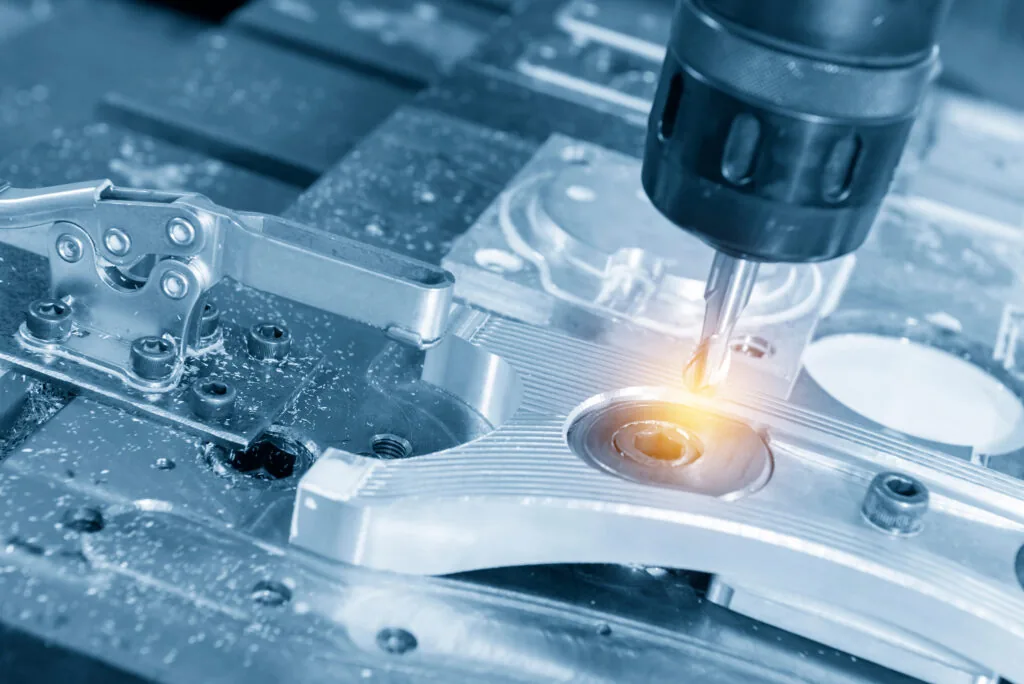
Drilling and tapping are both processes that involve using specific cutting tools to remove metal from an object in order to create either a threaded hole or simply a smooth hole in the object’s surface.
Mastering 5-Axis Milling for Flawless Results
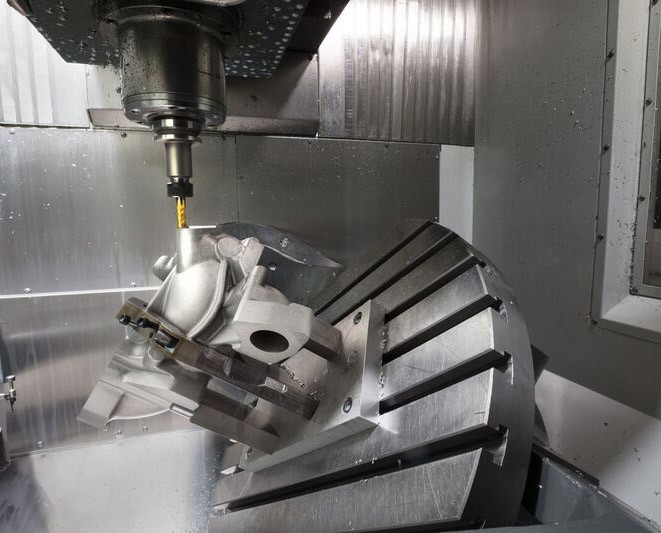
What is 5 Axis Milling? When it comes to machine tools, 5-axis milling refers to milling machines that have the ability to machine in three dimensions and can also rotate on their own axis. A typical five-axis milling machine allows you to mill complicated shapes with ease and is equipped with 5 axes of […]
Proven 3D Printed Applications: A Guide to Stunning Industrial Designs

Today, there are a myriad of 3D printed applications across different industries that allows businesses to create products that would be difficult or impossible to make otherwise.
Essential SLA 3D Printer Applications for Impeccable Tooling

The SLA 3D printer applications are so popular that they can be spotted without knowing it. The printer is so great at details, that they look like regularly made objects. This is why so many industries use the oldest 3D printing technique.
SLA vs DLPSLA vs DLP: The Absolute Truth for Masterful 3D PrintsSLA vs DLP
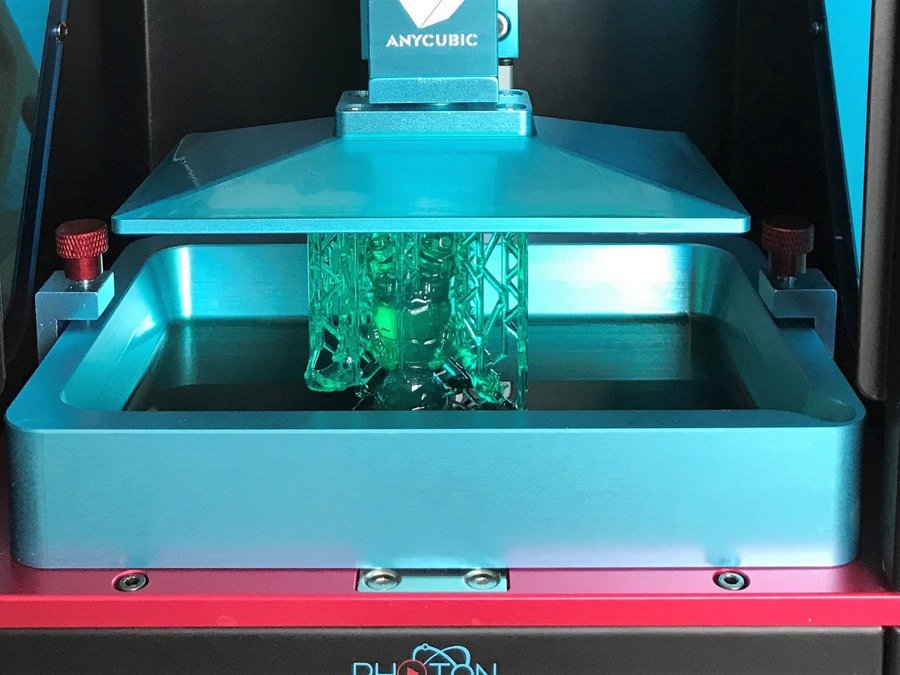
One of the most popular 3D printing topics are the debate between SLA vs DLP 3D printers. Both use resins to form the objects and light to solidify the resin’s layers. The big difference between the two are the type of lights the 3D printers use.
Sheet Metal Bending Guide
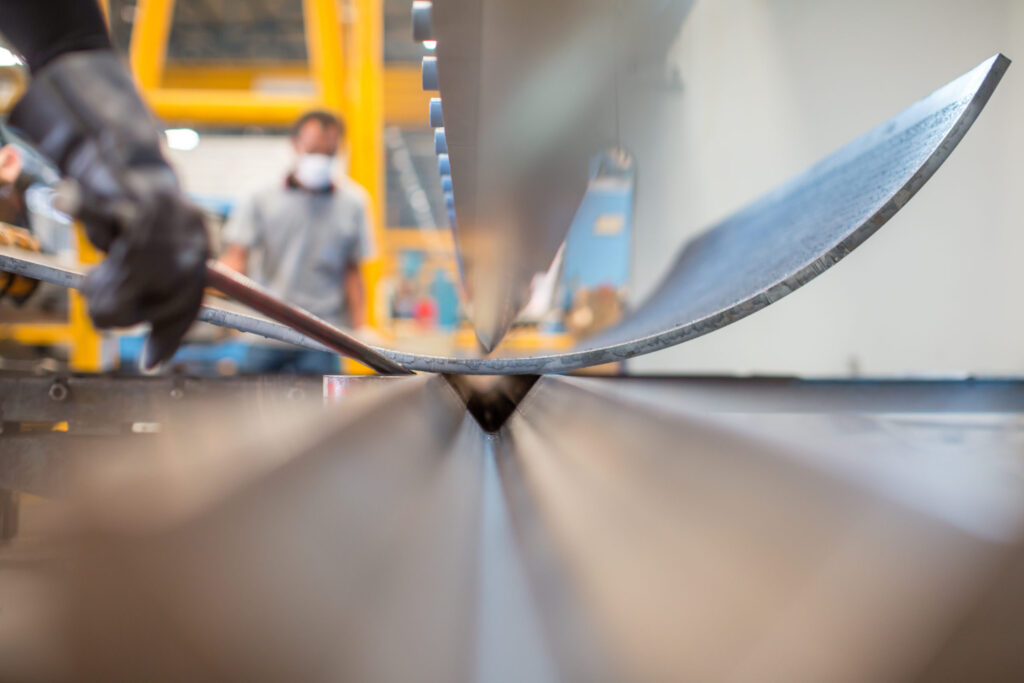
Sheet metal bending is a deformation process that involves using a machine called a brake to bend metal. Metal can be bent into U shapes, V shapes, or channel to an angle of up to 120 degrees. It’s an efficient form of deformation that allows the metal to be formed into a new part. Unlike laser cutting, this is the simplest form of sheet metal forming.